
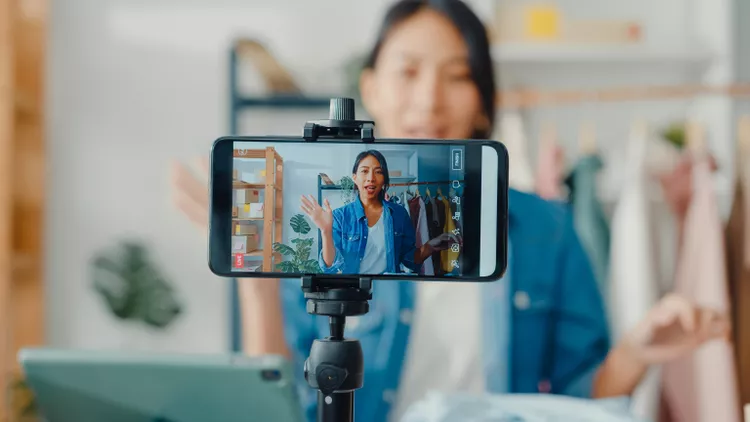
A new creator rarely fails because the camera is cheap or the editing is plain. Most quit because the money arrives later, and smaller, than the dream they were sold. YouTube channel monetization is not a finish line where ads turn on and rent gets paid the next week. It is a slow trust test: viewers first, watch history second, platform review third, income last. For U.S. creators building a real media asset, that order matters. A channel about tax tips, truck repairs, budget cooking, or local real estate can earn in different ways long before it feels “famous,” especially when it is supported by smart digital publishing growth and a clear reader-to-viewer path. The honest timeline is simple: expect months of unpaid learning, then a small first payout, then a longer climb toward steady revenue. The best creators treat YouTube like a storefront that opens in stages. First, prove people care. Then prove they return. Then build income around the attention.
YouTube Channel Monetization Timeline: The Real Path From Uploads to Approval
The timeline looks clean on paper, but it feels uneven in real life. One creator may hit 1,000 subscribers in eight weeks after a home repair video catches search traffic. Another may upload for a year and still sit under 700 because the topic is broad and the titles sound like every other channel. Both can be doing useful work. The gap often comes from demand, packaging, and repeat viewing, not talent alone. Approval is not the first meaningful event. The first meaningful event is when a stranger watches, understands the promise, and decides the next video may also help. That moment arrives before the money, and it is the signal most beginners ignore. A channel that earns slowly but keeps improving its returning-viewer numbers is often healthier than one that gains a crowd from one lucky clip. The timeline rewards pattern recognition, not panic.
Why the first 90 days matter more than the first paycheck
The first 90 days are not mainly about earning. They are about gathering proof. You are testing which topics make strangers stop, which videos hold attention, and which comments point to the next upload. A U.S. creator making videos about side hustles might post ten clips on apps, delivery work, reselling, and weekend services. The winner may not be the video they liked most. It may be the one where viewers ask five follow-up questions.
That feedback is worth more than a tiny early payment because it tells you where the channel has pull. Beginners often chase a viral spike, but a dull-looking search video can be a better asset. A six-minute “how to fix a leaking toilet shutoff valve” video may never look glamorous. Yet it can bring steady viewers for years because the problem keeps happening in American homes.
The counterintuitive part is that slow videos can teach faster than hot ones. A viral Short may bring empty subscribers who never watch again. A small long-form video with strong retention tells you the audience was willing to stay. That is the signal you can build on.
What the 500-subscriber stage can and cannot do
The YouTube monetization requirements now include an earlier access path in eligible regions: 500 subscribers, three valid public uploads in the last 90 days, plus either 3,000 public watch hours in the last 365 days or 3 million public Shorts views in the last 90 days. This level can open fan funding and some Shopping features, but it does not mean full ad income. That distinction saves frustration.
Think of this stage as a small shop window, not the cash register. If your audience is loyal, channel memberships, Super Thanks, or your own products may matter. A woodworking creator in Ohio with 600 subscribers might sell a $9 cut-list PDF and earn more from twenty buyers than ads would have paid from several thousand views. Smaller communities can spend when the value is specific.
The mistake is treating early access as a sign that the hard part is over. It is closer to a review checkpoint. You still need policy-safe content, an active upload record, and enough viewer trust for money features to make sense. A channel with casual viewers may pass the numbers but earn little. A channel with fewer but sharper fans can begin to feel like a business.
What the Rules Actually Mean for a Small U.S. Creator
Rules sound cold until you map them to the work week. For most U.S. creators, the path to full ad revenue means joining the YouTube Partner Program and then reaching 1,000 subscribers with either 4,000 public watch hours in the last 365 days or 10 million public Shorts views in the last 90 days. You should still check the official YouTube Partner Program eligibility rules, because feature access and country rules can change. The numbers matter, but the behavior behind the numbers matters more. A channel can clear a threshold and still feel weak if viewers do not return. Another channel can miss the threshold for a while yet show stronger signs: repeat comments, search traffic, and viewers asking for the next step. Those signals matter because income follows trust, not raw eligibility. The rules open doors; the audience decides whether anything valuable happens after that, especially when real buying intent is present.
The two thresholds creators confuse most
The first threshold says the audience is forming. The second says the channel has enough proof for ad sharing. Mixing those two is why many creators feel misled. They see 500 subscribers and think ads are next. Then they learn fan funding and watch-page ad revenue are not the same lane.
The YouTube monetization requirements are also split by format. Long-form creators need watch hours. Shorts creators can qualify through Shorts views. That sounds fair, but the two paths behave nothing alike. Four thousand watch hours can come from fewer people watching longer videos. Ten million Shorts views can come from quick attention that does not always turn into buyers, email subscribers, or loyal fans.
Here is a plain example. A finance creator in Dallas uploads one 12-minute video on used-car loan mistakes. It gets 20,000 views, with people watching for several minutes because the topic affects their wallet. A comedy Shorts creator may need far more views to build the same depth of trust. Reach and relationship are not twins.
Why Shorts can grow faster while paying slower
Shorts are useful for discovery. They can put your face, voice, or idea in front of people who would never search for you. For a new channel, that exposure can help. A creator explaining “one grocery trick under $20” may gain subscribers faster through Shorts than through a long grocery budgeting video.
The catch is income quality. Shorts ad revenue is shared through a pool tied to engaged views and other factors, while watch-page ads on long-form videos follow a different revenue share. That does not make Shorts bad. It means Shorts should often act like the front porch, not the whole house. They invite people in. Longer videos, email lists, products, and services turn the visit into value.
A practical mix works better than picking a side because a small creator needs both discovery and depth. Post Shorts to test hooks and quick problems. Use long videos to answer the full question. Then point viewers toward building a stronger content funnel so the channel is not trapped inside one platform’s payout system.
What YouTube Income Looks Like After Approval
The first month after approval can feel oddly quiet. Ads may turn on, the Revenue tab may show a few dollars, and the big moment may look more like a receipt than a celebration. That does not mean the channel failed. It means YouTube income usually starts as a measurement tool before it becomes a household line item. The early numbers tell you which videos attract higher-value viewers, which topics hold attention, and which uploads deserve follow-up content. There is also a delay between earning and seeing spendable money. Final earnings appear after review, and U.S. creators need the payment account to meet the payout threshold before money moves. The dashboard can be encouraging, but the bank account moves on a slower clock. This is why creators who budget around estimated earnings can feel whiplash. Treat the first few months of revenue as a lab report. It shows which topics have commercial weight, which videos deserve a series, and which uploads pulled attention without profit.
Ad revenue is usually the floor, not the ceiling
Ad revenue depends on topic, viewer location, ad demand, video length, viewer behavior, and whether the content is suitable for advertisers. A personal vlog with 50,000 views may earn less than a small business tax video with 8,000 views because advertisers value those viewers differently. The viewer’s intent changes the money.
That is why a channel about insurance, software, legal education, real estate, or finance can earn more per thousand views than a broad entertainment channel. The entertainment channel may win on scale. The business channel may win on buyer intent. A creator teaching Florida landlords how to screen tenants may never hit celebrity numbers, but every viewer is tied to a costly problem.
The smarter goal is not “more views at any cost.” The goal is more of the right views. YouTube income grows when your topic, audience, and offer line up. Ads are helpful, but they should not be the whole plan. Sponsorships, digital products, consulting, affiliate offers, and newsletters can all sit beside the channel when they match the viewer’s need.
Why niche beats raw views more often than beginners expect
A narrow channel feels risky at first because the audience looks smaller. That fear is normal. A creator may think “budget meals for families in small apartments” is too limited, while “food” feels safer. The opposite is often true. A sharp niche gives viewers a reason to choose you.
Specificity also helps the algorithm understand the channel. If ten videos serve the same kind of viewer, the next video has a clearer starting point. A scattered channel asks YouTube to guess. One week it talks about gaming chairs, the next week celebrity news, then tax software. No human editor would call that a show. The system struggles with it too.
Income follows clarity. A channel on RV repairs for retired Americans can attract tool brands, campground partners, downloadable checklists, and affiliate parts. A general “lifestyle” channel may have more video ideas but fewer strong income paths. Smaller does not always mean weaker. Sometimes it means easier to trust.
A Practical 12-Month Plan Before the First Reliable Payout
A realistic plan gives you patience without letting you drift. The first year should not be built around hoping one upload saves everything. It should be built around repeatable publishing, clean positioning, and a habit of reading the signals. If the channel earns early, good. If it takes longer, the work still compounds. The goal is not to act busy. The goal is to make each month answer a better question. Month one asks, “Will anyone watch this topic?” Month six asks, “Which viewers return?” Month twelve asks, “Can this attention support a small business?” That framing protects you from two bad habits: quitting too early and posting without a reason. You do not need to predict the whole year. You need a simple system that helps the next upload become sharper than the last.
Month 1 through 3: build proof before chasing polish
During the first three months, choose a tight topic lane and publish enough to learn. You do not need a studio. You need clear sound, readable titles, and videos that solve one real problem at a time. A creator teaching home coffee setups might compare budget grinders, explain water quality, and show how to fix bitter coffee. Each upload tests a different pain point.
Set a simple scorecard. Track click-through rate, average view duration, comments, returning viewers, and subscriber gain by video. Do not worship any single metric. A video with fewer views but strong comments may point to a product idea. A video with a poor click rate but strong watch time may need a better title and thumbnail, not a new topic.
The non-obvious move is to repeat winners sooner than feels natural. If a video about “mistakes first-time Etsy sellers make” works, make the next one about pricing, photos, shipping, or taxes for the same seller. Beginners often run away from a signal because they fear sounding repetitive. Viewers prefer depth when the problem is theirs.
Month 4 through 12: turn attention into a business
By month four, the channel should start acting less like a hobby folder and more like a small media business. Build playlists around buyer stages. Create a simple free download. Add an email signup. Link related articles through small business content strategy. Keep the channel useful even for people who are not ready to subscribe.
This is also when you should clean up weak packaging. Rewrite old titles that hide the benefit. Replace thumbnails that look busy on a phone. Add pinned comments that send viewers to the next best video. None of this is glamorous. It often does more for growth than buying a new camera.
By months nine through twelve, you should know whether the channel has a real lane. You may not be earning much yet, but patterns should appear. Certain topics bring watch time. Certain formats bring subscribers. Certain videos bring buyers. That is the point where income becomes less mysterious. You stop asking, “How much does YouTube pay?” and start asking, “What kind of audience am I building, and what do they need next?”
Conclusion
A creator who expects fast cash will see the waiting period as proof that the platform is unfair. A creator who understands the business will see the same period as market research. The numbers, reviews, and delayed payments are not the whole story; they are filters that force you to build something people return to. YouTube channel monetization works best when it sits inside a larger plan, not when it carries the full weight of your income dream. Treat early videos as tests, early viewers as clues, and early dollars as feedback. The channels that last are not always the loudest. They are the ones that learn what viewers need and answer it again with more care. Build for trust before payout, keep a second income path near the channel, and judge progress by audience behavior as much as by dollars. When the money has a place to land, the waiting season stops feeling wasted. That is the quiet advantage of treating the channel like an owned asset from day one, even before the first payment clears.
Frequently Asked Questions
How long does it take for a YouTube channel to start earning money?
Most channels need several months to a year before earning steady money. The timeline depends on topic demand, upload quality, watch time, subscriber growth, and review approval. Some channels move faster, but beginners should plan for a slow start.
How many subscribers do I need to make ad revenue on YouTube?
Ad revenue generally requires 1,000 subscribers plus either 4,000 public watch hours in the last 365 days or 10 million public Shorts views in the last 90 days. Early fan-funding access may open sooner in eligible regions.
Can Shorts help a new creator get paid faster?
Shorts can help you gain reach and subscribers faster, but they do not always produce strong income. They work best when they guide viewers toward longer videos, products, email lists, or a clear channel theme.
What does the first YouTube paycheck usually look like?
The first payment is often modest because earnings must build, finalize, and reach the payment threshold. Many creators see small amounts in analytics before they receive money. A bigger library usually matters more than one strong video.
Is ad revenue enough to make a full-time living?
For most small channels, ad revenue alone is not enough. Full-time creators often combine ads with sponsorships, affiliate income, products, memberships, services, or courses. The best mix depends on the audience’s problem and trust level.
Why do some channels earn more with fewer views?
Viewer intent changes income. A video about taxes, insurance, software, or home buying may attract higher-value ads than broad entertainment. A smaller channel can earn more when its viewers are closer to making a purchase.
Should I focus on long videos or Shorts first?
Choose based on the audience and topic. Long videos build trust and watch time. Shorts can test hooks and bring discovery. Many new creators do better with both: Shorts for reach, long videos for depth.
What should I do before applying for the YouTube Partner Program?
Review your content for policy risks, keep your uploads public and active, turn on account security, and check that your AdSense setup is correct. Also study which videos bring returning viewers, because approval matters less without a loyal audience.