
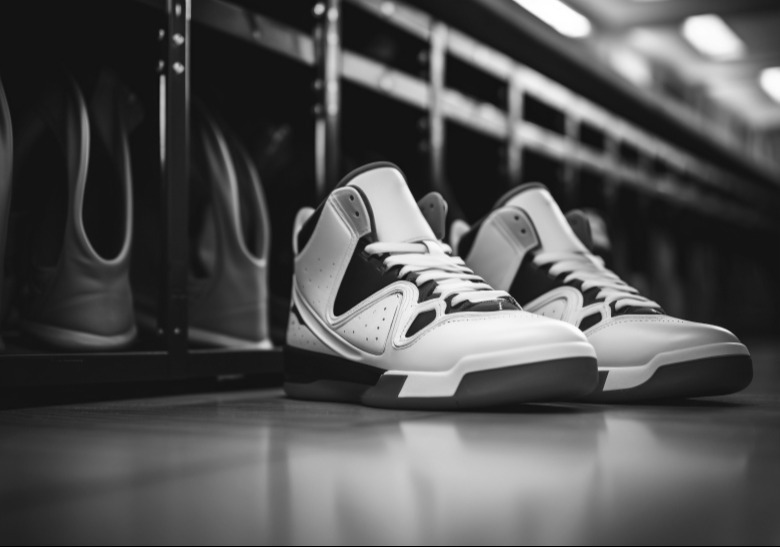
Nike did not walk away from stores because stores stopped mattering. The Nike direct to consumer push came from a sharper idea: own the customer relationship, own the data, and stop letting every mall shelf decide how the brand feels. For a while, that logic looked hard to beat. Nike apps grew, SNKRS became a culture machine, and owned stores gave the company cleaner control over launches, prices, and storytelling.
Then the friction showed up. Shoppers still wanted to try shoes on at Foot Locker. Parents still bought back-to-school sneakers where the whole family could shop. Runners still trusted specialty stores for fit advice. Nike learned a lesson many strong brands face: control is powerful, but reach still matters. The current shift is not a simple return to old retail. It is a more selective version of access, where Nike keeps its best direct channels while repairing the partner network that helped make the Swoosh part of everyday American life.
How Nike Moved From Wholesale Dependence to Owned Customer Control
Nike’s old retail machine was built for scale. Shoes moved through sporting goods chains, mall stores, department stores, family footwear shops, and local accounts across the United States. That network gave Nike enormous reach, but it also placed part of the brand experience in someone else’s hands.
The tension was clear. A premium running shoe could sit beside discounted leftovers. A new basketball launch could lose its story once it hit a crowded wall. A shopper might buy Nike, but Nike might never know much about that shopper. That gap mattered more as online buying grew and customer data became part of brand power.
Why Nike retail strategy started favoring owned channels
Nike saw that its website, mobile apps, SNKRS, and owned stores could do more than sell shoes. They could shape behavior. A customer browsing a running shoe online could later receive training content, product drops, membership perks, and local event prompts. That is much harder when the sale happens through a third-party register.
The company’s owned channels also helped protect launch energy. In the United States, sneaker culture runs on timing, scarcity, and story. A Jordan release does not feel the same when it is buried in a generic sale rack. Through its own channels, Nike could make the drop feel like an event.
The non-obvious part is that Nike was not only chasing higher margins. That was part of it, but the deeper prize was attention. A customer inside Nike’s app is not comparing twenty brands on the same shelf. They are inside Nike’s world, even if only for a few minutes.
Where Nike digital sales changed the customer relationship
Nike digital sales gave the company a cleaner view of what people wanted, where demand was forming, and which products created repeat behavior. That kind of insight can shape inventory, marketing, and product planning faster than old retail reports.
Take a runner in Austin buying Pegasus shoes through Nike.com. Nike can see the size, timing, product interest, return behavior, and maybe the customer’s app activity. That data can help the brand understand whether the person is a casual jogger, a marathon hopeful, or someone replacing the same shoe each year.
Still, data has a ceiling. It can tell Nike what someone clicked, but it cannot fully replace the store associate who watches a customer walk and says, “You may need a wider fit.” That is why running specialty shops kept value even as digital grew. The screen can guide, but the floor can diagnose.
Why Nike Direct to Consumer Strategy Needed a Retail Reset
The shift looked smart when digital demand was rising and Nike had cultural heat behind key franchises. But a strategy that works during a hot cycle can expose weak spots when the cycle cools. Nike’s direct model gave the company control, yet it also pulled product away from places where casual shoppers still discovered the brand.
That is the trap. A brand can become more profitable per transaction while becoming less visible in daily life. For a company as large as Nike, fewer doors can mean fewer casual reminders. And in footwear, memory matters. People buy what they see, try, and hear other people talk about.
The hidden cost of cutting back Nike wholesale partners
When Nike reduced certain wholesale relationships, it opened space on shelves. Competitors noticed. Brands like Hoka, On, New Balance, Adidas, and Asics gained more room to tell their stories in stores that once leaned heavily on Nike.
This mattered most in categories where advice and discovery drive the sale. Running is a good example. A first-time half-marathon runner may not begin at Nike.com. They may walk into a specialty store and ask what shoe will protect their knees. If Nike is less visible there, the associate may guide that customer toward another brand.
The counterintuitive lesson is blunt: being harder to find can make a premium brand feel cleaner, but it can also make rivals feel more alive. Scarcity helps when demand is already intense. It hurts when shoppers are still deciding.
Why DTC control could not replace everyday retail discovery
Owned channels are excellent for loyal fans. They are weaker with distracted buyers. A teenager who follows sneaker drops may check SNKRS. A parent buying gym shoes before school starts may go to Dick’s Sporting Goods, Kohl’s, Foot Locker, or Amazon because that is where the shopping trip already exists.
That gap pushed Nike toward a more balanced view. It needed its own stores and apps, but it also needed strong retail partners that could reach shoppers outside the Nike bubble. The future was not “all direct” or “all wholesale.” It was better placement, better storytelling, and fewer weak retail experiences.
A simple U.S. example tells the story. If a customer wants a premium running shoe, Nike can make the product shine inside its own app. But if that customer wants to compare Nike with Brooks, Hoka, and New Balance, they may trust a multi-brand store more. Nike has to win in that room too.
What Nike Is Rebuilding With Retail Partners Now
Nike’s current channel shift is not a confession that traditional retail was right all along. It is more specific than that. The company appears to be rebuilding partner relationships where the retail setting helps the brand rather than weakens it.
That means a better mix of Nike-owned channels, wholesale accounts, specialty partners, marketplace access, and cleaner product segmentation. The goal is not to flood every shelf. The goal is to show up where the customer expects Nike and where the brand story can still hold its shape.
How Nike wholesale partners help repair reach
Nike wholesale partners give the brand something its own channels cannot fully create: outside traffic. Millions of U.S. shoppers enter retail stores and online marketplaces without planning to visit Nike directly. Good partners put Nike back into those moments.
Foot Locker remains a clear example. For many Americans, especially younger sneaker buyers, Foot Locker is not a random shoe store. It is part of the sneaker path. A Nike launch there can reach shoppers who want comparison, social proof, and quick access in one place.
Amazon is another case, though a different one. Nike’s renewed official presence there signals that customer convenience can no longer be treated as a threat by itself. The risk of marketplaces is brand control. The benefit is massive demand capture. Nike’s job is to control the assortment tightly enough that convenience does not turn into chaos.
Why the best channel mix is selective, not wide open
The old wholesale model chased reach. The direct model chased control. The stronger model needs both, but not equally in every category.
A performance running shoe may belong in Nike stores, Nike.com, and trusted running accounts. A lifestyle sneaker may need Foot Locker, JD Sports, select fashion retailers, and Nike’s own channels. A basic fleece hoodie may work in broader retail if price and presentation are protected.
This is where Nike retail strategy gets more interesting. The company can use each channel for a job. Owned channels can handle membership, premium launches, and deeper storytelling. Wholesale can rebuild discovery and category presence. Marketplaces can catch convenience-driven shoppers.
The quiet insight is that a channel is not only a sales pipe. It is a message. Selling a product in the wrong place trains customers to see it the wrong way. Selling it in the right mix keeps both access and desire alive.
Business Lessons From Nike’s Channel Reset
Nike’s shift matters beyond sneakers. Any U.S. brand watching the move can learn from it. Cutting out the middleman sounds attractive until the middleman turns out to be part of how customers find you, trust you, and compare you.
That does not mean every business should cling to old distributors. Weak partners can drain margin and damage perception. But strong partners can create trial, education, local presence, and search visibility. The mistake is treating all wholesale as the same problem.
What smaller brands can learn before copying Nike
A smaller brand should not copy Nike’s direct push without asking a harder question: where does the customer first become ready to buy? If the answer is “after seeing reviews, trying the product, and comparing options,” then retail partners may be part of the buying journey, not a barrier to it.
A premium sock brand, for example, might love the margin on its own website. But a runner may first trust that brand after seeing it in a local running store near the checkout counter. That store gives the product borrowed trust. The website can turn that first buyer into a repeat customer later.
This is where customer retention strategies for repeat business growth connect with channel planning. The first sale and the repeat sale do not always need the same path. Discovery may happen through partners. Loyalty may happen through owned channels.
How business owners should think about margin, data, and reach
Direct sales give you data. Wholesale gives you reach. Retail partners give you borrowed trust. The right answer depends on which problem is holding the business back.
If people already know your brand and want it, direct channels may capture more value. If people do not know you yet, cutting off outside discovery can slow growth. If your product needs explanation, good retail partners may close sales your website cannot.
Nike’s case also shows why margin can mislead. A sale with a higher gross margin is not always the better sale if it comes with higher marketing costs, more returns, weaker visibility, or lost share. Clean math can hide messy behavior.
For owners studying e commerce growth tips for online store success, the lesson is practical. Build direct channels, but do not treat them as a religion. The best system lets customers buy where trust is highest and keeps the brand strong after the sale. Nike’s own investor updates, including its fiscal 2026 third-quarter results, show how closely channel balance now sits next to growth, margin, and brand health.
Conclusion
Nike’s retail shift is not a retreat from ambition. It is a correction from overconfidence. The company learned that owning the customer relationship matters, but owning every path to the customer is not always possible or wise.
The strongest version of direct to consumer thinking keeps the relationship close without pretending shoppers live inside one brand’s app. Nike still needs its digital platforms, membership tools, owned stores, and launch control. It also needs the messy, useful world of retail partners where real Americans compare shoes, ask questions, hunt deals, and make fast family purchases.
The lesson for business owners is clear. Do not confuse control with strength. A brand becomes stronger when each channel has a clear purpose and the customer feels served, not trapped. Build your direct engine, protect your brand story, and choose partners that help customers trust you faster. That is the channel strategy worth copying.
Frequently Asked Questions
Why did Nike move away from traditional retail?
Nike wanted more control over pricing, product launches, customer data, and brand experience. Traditional retail gave the company reach, but it also limited how much Nike could shape the customer relationship after a sale.
Is Nike returning to wholesale retailers?
Yes, but in a more selective way. Nike is rebuilding key partner relationships while still keeping strong direct channels through Nike.com, apps, and owned stores. The goal is balance, not a full return to the old model.
What went wrong with Nike’s DTC push?
The model gave Nike more control, but it reduced visibility in some retail settings where customers discover and compare shoes. Competitors gained shelf space, and Nike had to repair parts of its wholesale network.
Does Nike still sell through Foot Locker?
Yes, Foot Locker remains an important sneaker retail partner. Stores like Foot Locker help Nike reach shoppers who want in-person access, product comparison, and launch culture outside Nike’s owned channels.
Why are Nike digital sales so important?
Digital sales give Nike direct customer data, cleaner launch control, and stronger membership connections. They help the company understand buying patterns and build repeat relationships beyond a single transaction.
What can small businesses learn from Nike’s strategy?
Small businesses should not chase direct sales at the cost of discovery. A strong website matters, but retail partners, marketplaces, and local sellers can help new customers find and trust the brand faster.
Is wholesale bad for brand image?
No, not when managed well. Poor retail placement can weaken a brand, but the right partners can add trust, traffic, and category authority. The key is choosing stores that match the product’s value.
What is the best retail strategy for a growing brand?
A growing brand should match each channel to a job. Use direct channels for loyalty and data, retail partners for discovery and trust, and marketplaces for convenience when the brand can protect presentation and pricing.